Turning Your Garage Into a Comfortable Workspace With a Ductless Mini Split System

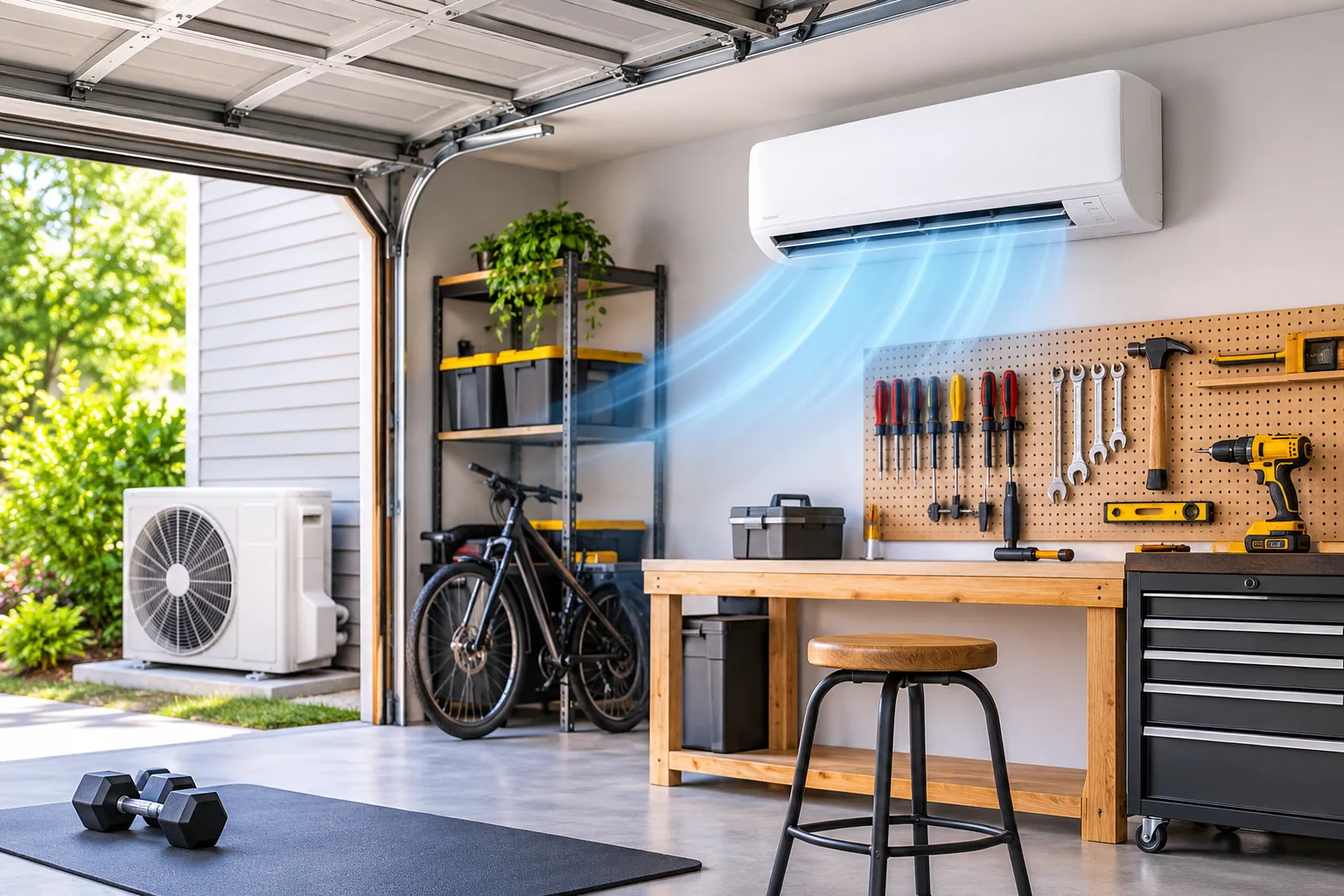
A garage can be much more than a place to park your car. For some homeowners, it becomes a workshop, a home gym, a personal studio, or even a dedicated space for hobbies. The problem is that garages rarely offer the same comfort as the rest of the house. They can become unbearably hot during summer and uncomfortable during winter, especially when insulation is limited.
If you regularly spend time working in your garage, maintaining a comfortable temperature can make a noticeable difference. One solution worth considering is a ductless mini-split heat pump. Unlike traditional central HVAC systems, these units provide heating and cooling directly to the space without requiring an extensive duct network.
Let's look at why this option makes sense, what you should consider before installing one, and how to make your garage a more usable part of your home.
Why Garage Temperature Control Deserves Attention
Garages often experience more temperature fluctuations than other areas of a house. Large garage doors, concrete floors, exterior walls, and limited insulation can make temperature control difficult.
During summer, sunlight heats the garage door and surrounding surfaces. If you're working with power tools, exercising, or spending several hours on a project, the heat can quickly become distracting. In winter, cold air entering through gaps and poorly insulated doors can make the space equally unpleasant.
These conditions can also affect how you use the garage. Paints, adhesives, certain electronics, and other temperature-sensitive materials may have specific storage requirements. Always follow their manufacturers' storage instructions.
Rather than relying on temporary heating or cooling equipment, homeowners can consider installing a dedicated system that provides more consistent temperature control.
Why Choose a Ductless Mini Split for Your Garage?
A ductless mini-split system consists of an outdoor compressor and one or more indoor air-handling units. Refrigerant lines connect the components, allowing the system to transfer heat between the indoor and outdoor environments.
One of its biggest advantages is that it doesn't require traditional ductwork. This makes it particularly useful for garages that were never designed to connect to a home's central heating and cooling system.
Here are some practical advantages worth considering.
1. Heating and Cooling Throughout the Year
A mini-split heat pump can provide both cooling and heating, depending on the model. During warmer months, it removes heat from the garage and transfers it outside. When temperatures drop, the system reverses its operation to bring heat indoors.
This year-round functionality makes it useful for people who want to use their garages beyond the summer months.
However, check the unit's heating performance at your area's winter temperatures before purchasing. Not every heat pump offers the same cold-weather capability.
2. Independent Temperature Control
Your garage may need a different temperature setting from your living room or bedroom. A ductless system allows you to condition that space independently.
For example, you might prefer a cooler environment while exercising but a warmer setting when working on a weekend woodworking project.
You also don't have to run the home's central HVAC system just to make the garage comfortable. This separation can help avoid conditioning unused areas, although actual energy savings depend on equipment efficiency, insulation, usage, and local electricity rates.
3. No Extensive Duct Installation
Adding traditional ductwork to an existing garage can involve considerable renovation. Depending on the property's layout, it may require opening walls, modifying ceilings, or extending existing duct runs.
A ductless setup avoids much of that work. The indoor and outdoor components are connected through a relatively small wall opening for the refrigerant lines and associated connections.
This can make installation more straightforward, particularly in detached garages or converted workspaces.
4. Quieter Operation
Noise matters when you're trying to concentrate. Whether you're repairing furniture, recording music, reading, or working out, a loud cooling system can become distracting.
Many ductless mini-splits operate quietly indoors compared with some conventional heating and cooling arrangements. However, sound levels vary by model, fan setting, and installation quality, so check the manufacturer's specifications before choosing a unit.
Choosing the Right System for Your Garage
Not every garage requires the same equipment. Buying a system based only on its advertised coverage area can lead to disappointing results.
Before selecting a unit, consider the following factors.
Garage Size and Ceiling Height
Start by measuring the garage's length, width, and ceiling height. A larger space generally requires greater heating and cooling capacity, but square footage alone doesn't determine the correct size.
A high ceiling, large windows, frequent door openings, and limited insulation can all increase the heating and cooling load.
A professional load calculation is a better way to determine the required BTU capacity than relying on general online estimates.
Insulation and Air Leaks
Even a high-quality mini-split will struggle if conditioned air constantly escapes.
Check the garage door seals, wall insulation, ceiling, windows, and gaps around exterior doors. Improving insulation and sealing unwanted air leaks can reduce the workload on your HVAC equipment.
You don't necessarily need an expensive renovation. Sometimes, addressing obvious gaps and improving garage door insulation can make a meaningful difference.
Electrical Requirements
Before purchasing equipment, confirm that your electrical panel and available circuits can support the selected system.
Some models require a dedicated circuit and a particular voltage. Have a qualified electrician assess the installation requirements, including disconnects, wiring, and applicable electrical codes.
Indoor and Outdoor Unit Placement
The indoor unit should be positioned where it can distribute air throughout the garage without being blocked by shelving, vehicles, or storage cabinets.
The outdoor condenser also needs an appropriate location with sufficient clearance and airflow. Follow the manufacturer's installation requirements and consider exposure to snow, debris, direct sunlight, and potential physical damage.
Is a DIY Mini Split Worth Considering?
If you're comfortable with home improvement projects, a system designed for DIY installation may be worth exploring.
MRCOOL offers a range of DIY ductless mini-split systems through its authorized distribution channels. These systems are designed to simplify installation through features such as precharged refrigerant line sets and connection systems, depending on the selected model.
For homeowners comparing options, a ductless mini split system for garage is one option to investigate when looking for a dedicated heating and cooling solution without traditional ductwork.
The product range includes different configurations and capacities, so compare the specifications rather than assuming one model will suit every garage. Pay particular attention to BTU capacity, voltage, line-set requirements, heating performance, and warranty coverage.
DIY-friendly does not mean every part of the installation is suitable for every homeowner. Follow the manufacturer's instructions, local building codes, and electrical requirements. If you're unsure about electrical connections, mounting, or system commissioning, consult a qualified HVAC professional.
Don't Overlook Garage Ventilation and Maintenance
One important point: heating and cooling are not the same as ventilation.
A mini-split circulates and conditions indoor air, but it should not be treated as a substitute for fresh-air ventilation or exhaust removal. Never run a vehicle in an attached garage, even with the garage door open. Keep carbon monoxide risks in mind, and use appropriate ventilation when working with paints, solvents, fuels, or other potentially hazardous materials.
Regular maintenance also helps keep your equipment operating properly. Clean or wash the indoor filters according to the manufacturer's instructions, inspect the outdoor unit for leaves and debris, and check that condensate drainage remains clear.
Arrange professional servicing when needed, particularly if you notice unusual noises, reduced performance, water leakage, or unexpected changes in energy consumption.
Make Your Garage More Useful All Year
A garage doesn't have to remain an uncomfortable space that you only use when necessary. With proper insulation, suitable equipment, and thoughtful installation, it can become a much more practical environment for projects, exercise, storage, and everyday activities.
A ductless mini-split offers a flexible way to introduce dedicated heating and cooling without extending traditional ductwork. The key is choosing the right capacity, checking electrical requirements, and understanding the system's limitations before installation.
Take time to assess how you use your garage and what level of comfort you actually need. A well-planned setup can turn an underused space into one you'll genuinely enjoy spending time in throughout the year.